

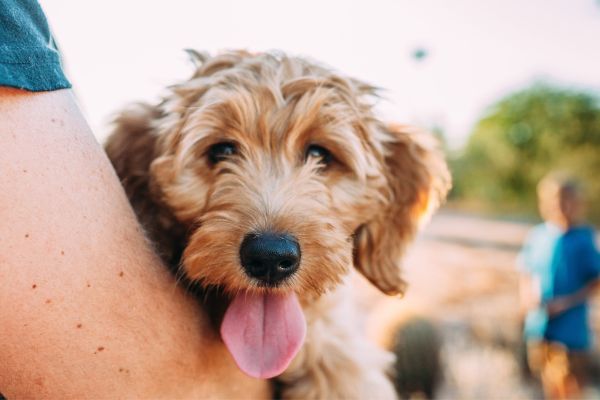
There’s something a little magical about packing up your gear, hitting the open road, and soaking in the fresh air far away from the noise of everyday life. And when you’re doing all that with your furry best friend trotting along beside you? Even better. Still, let’s be real: heading into the wild with a pet isn’t exactly the same as a typical getaway. That’s where some thoughtful planning and smart pet-friendly camping tips come in handy, making the whole experience smoother, safer, and a lot more fun.
Why Camping with Pets Can Be a Life-Changing Experience
If you’ve never camped with your pet before, you might be surprised at how much it deepens your bond. Out in nature, pets seem to come alive in a way that’s completely infectious. There’s joy in watching a dog sniff every wildflower or seeing a cat cautiously peek outside the tent like a tiny explorer on a mission. You start noticing things you’d normally miss — sounds of rustling leaves, distant bird calls, even how the earth smells different after sunrise. And honestly, you get to slow down right along with them.
But the thing is, the wilderness isn’t always predictable. That’s exactly why understanding pet-friendly camping tips before you head out helps create a safe and memorable experience for both of you.
Choosing the Right Campsite That Welcomes Pets
Before you even think about packing snacks or rolling up sleeping bags, find out whether your desired campground actually welcomes pets. You’d be surprised how many places have restrictions. Some allow only dogs, some require specific types of leashes, and a few have quiet hours your pet needs to respect.
Look for campgrounds that list pet policies clearly, because that often means they’re used to having animals around. You’ll want places with shaded areas, safe walking paths, maybe even nearby lakes or streams if your pet loves the water. A good chunk of your success comes from choosing a spot that’s genuinely pet-friendly instead of one that simply tolerates animals.
Getting Your Pet Ready for the Great Outdoors
Here’s the part a lot of people forget: your dog or cat needs training and prep, too. If your pet isn’t used to long walks or new environments, start slowly. Take them on short hikes or let them explore different outdoor settings before the actual trip.
Make sure vaccinations are up to date. Pack flea and tick prevention because, you know, the wild isn’t exactly known for being parasite-free. If your pet gets anxious around strange sounds or unfamiliar animals, try practicing with controlled outdoor noises. A little preparation makes them feel safe, and when your pet feels safe, you will too.
Packing Smart for Your Pet’s Needs
When it comes to pet-friendly camping tips, packing is where things really start coming together. It’s not just tossing in a leash and calling it a day. Bring enough food for the entire trip plus a little extra. Nature burns calories — even for pets. Pack collapsible water bowls, a comfortable bed, and a few favorite toys. A familiar scent can calm them if the environment becomes overwhelming.
You’ll also want a pet first-aid kit. Nothing fancy, just essentials like antiseptic wipes, bandages, and tweezers for those annoying burrs that somehow always end up stuck in fur. And don’t forget poop bags. Seriously. Even in the woods, cleaning up after your pet keeps wildlife safe and prevents contamination of streams and soil.
Making Travel Comfortable for Your Pet
Getting to the campsite is part of the adventure, but only if your pet is comfortable. Whether you’re driving ten minutes or ten hours, secure your pet with a harness, crate, or booster seat. The last thing you want is a wandering pet in the backseat while you’re navigating winding mountain roads.
Stop for water breaks and stretch sessions. Your pet has legs. They need to move. If they tend to get car sick, talk to your vet beforehand or try smaller practice drives leading up to the trip. Small things make a big difference when the destination is several hours away.
Setting Up Camp With Your Pet in Mind
When you arrive at your campsite, take a moment to let your pet sniff around and get a feel for the place. They need to understand their new environment. Choose a spot with even ground for your tent and make sure there’s shade to keep them cool during the day.
Leashes are important — even if your pet has perfect recall. Wildlife can be unpredictable. Your dog might catch the scent of a squirrel and bolt. Your cat may try to investigate a bush that, well, has something living inside it. Keeping pets leashed protects them and keeps the ecosystem intact.
Inside the tent, give them a dedicated sleeping spot. A cozy little nest makes them feel secure and helps them settle down once the stars come out.
Keeping Your Pet Safe Around Wildlife
Nature is amazing, but it’s also home to creatures your pet has probably never seen up close. Raccoons, snakes, porcupines — one surprise encounter and your trip can take a turn. Staying aware of your surroundings is key. Avoid leaving pet food out because it attracts wildlife faster than you’d expect. Store it in airtight containers or keep it inside your car.
Stick to trails when you go hiking. Off-path areas can expose pets to everything from sharp branches to hidden dens. And like we said earlier, always keep your pet leashed. It’s one of the most important pet-friendly camping tips you’ll ever follow.
Maintaining Outdoor Manners and Respecting Nature
The outdoors is for everyone — campers, animals, and future visitors. Respecting nature is part of being a responsible pet owner. Keep your noise levels reasonable, especially if other campers are nearby. Pick up after your pet and dispose of waste properly. And if your pet tends to bark non-stop at passing hikers, work on calming techniques before the trip. Noise travels differently in the woods, and a barking dog echoing through the trees isn’t exactly the vibe other campers want.
Creating Memorable Activities With Your Pet
Camping isn’t just sitting by the fire, although that part is pretty great. Try activities your pet will enjoy. Go on morning hikes when temperatures are cooler. Splash around in shallow streams if your dog loves the water. Explore open fields or practice simple training commands outdoors. Even lounging together by the fire counts as bonding.
What matters is giving your pet a chance to experience nature in their own way. Watching them enjoy the moment helps you enjoy yours, too.
When It’s Time to Head Home
Leaving the campsite can feel bittersweet. You’ve had your fill of fresh air, starry nights, and quiet mornings. But before you pack up, do a final sweep. Check for any leftover gear, toys, or waste. Make sure your pet isn’t leaving anything behind either — fur is fine, but mess isn’t.
Once home, give your pet a good bath or brush-down to remove dirt, bugs, or plant debris. Keep an eye on their behavior over the next couple of days. They might be tired from the adventure, which is totally normal.
Final Thoughts
Taking your pet camping might seem like extra work at first, but the memories you make together are worth every bit of planning. With the right preparation, awareness, and a few smart pet-friendly camping tips, your adventure becomes smoother, safer, and way more enjoyable. At the end of the day, it’s not just about setting up a tent or cooking over a fire. It’s about sharing a piece of the world with your furry companion and appreciating the simple joy of being outdoors together.