

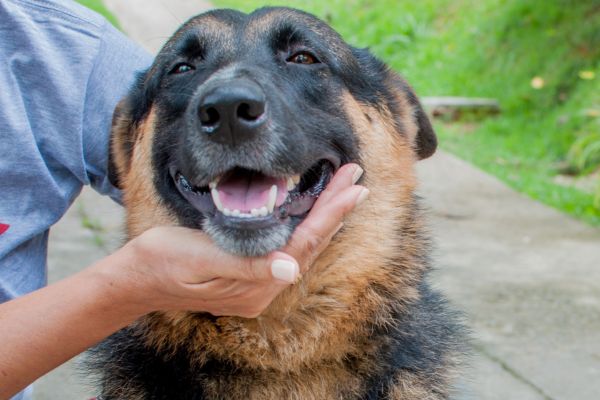
There’s a quiet moment that happens when you foster a pet for the first time. Maybe it’s the way a nervous dog finally relaxes on your couch, or the way a shy kitten starts to purr after days of hiding. That moment tends to change people. Fostering isn’t just a temporary arrangement for animals in need; it’s an experience that leaves a lasting impression on the humans who step into it.
The benefits of fostering pets reach far beyond what most people expect. While adoption often gets the spotlight, fostering works behind the scenes, filling a critical gap in animal welfare. It’s personal, emotional, sometimes challenging, and often deeply rewarding. And unlike long-term commitments, fostering allows people to help in meaningful ways without permanently changing their lives.
Giving animals a second chance when they need it most
For many animals, shelters are loud, unfamiliar, and overwhelming. Even the best-run facilities can’t replicate the comfort of a home. Fostering gives pets a safe place to decompress, heal, and regain trust. This is especially important for animals recovering from illness, injury, or trauma, as well as very young or elderly pets who struggle in shelter environments.
In a home, animals can sleep properly, follow routines, and experience normal household life. This stability often leads to dramatic changes in behavior and health. Dogs learn how to walk on leashes, relax indoors, and interact calmly with people. Cats gain confidence, become more social, and show their true personalities. These changes aren’t cosmetic—they can determine whether an animal eventually gets adopted.
Making shelters more humane and effective
One of the most overlooked benefits of fostering pets is the ripple effect it creates. When one animal leaves a shelter for a foster home, space opens up for another animal in need. That single act can save multiple lives.
Shelters operate under constant pressure, balancing limited space with growing intake. Foster homes ease that pressure, allowing shelters to focus resources on animals that require immediate care. This system doesn’t just reduce overcrowding; it improves overall welfare standards. Animals that stay in foster care are often healthier, less stressed, and easier to place in permanent homes.
In many cases, foster families also provide valuable insights about the animal. Knowing how a dog behaves around children or how a cat reacts to household noise helps match them with the right adopter, reducing the chances of returns.
Experiencing companionship without permanent commitment
Not everyone is ready to adopt, and that’s okay. Life circumstances, housing limitations, or future plans can make long-term pet ownership complicated. Fostering offers companionship without permanence, allowing people to enjoy the presence of an animal while still respecting their boundaries.
This flexibility makes fostering accessible to students, renters, frequent travelers, and those who aren’t sure if pet ownership fits their lifestyle. It also helps people test the waters. Many adopters begin as foster parents, gaining confidence through hands-on experience before making a permanent decision.
Even when fosters move on to new homes, the bond formed is real. Saying goodbye can be emotional, but it often comes with a deep sense of satisfaction knowing you played a role in an animal’s journey.
Emotional rewards that go beyond expectations
There’s something uniquely grounding about caring for an animal that depends on you, even temporarily. The routine of feeding, walking, or simply sitting quietly together can bring structure and calm to daily life. For many foster caregivers, this routine becomes a source of emotional balance.
Fostering can also be healing. People coping with grief, loneliness, or burnout often find comfort in caring for another living being. The relationship is simple and honest. Animals don’t ask questions or expect explanations. They respond to kindness, patience, and consistency.
Over time, foster caregivers often report increased empathy, resilience, and emotional awareness. These aren’t skills you set out to develop, but they grow naturally through the experience.
Helping animals become more adoptable
Shelters can only observe animals in limited settings. Foster homes, on the other hand, reveal how pets behave in real-world environments. This insight is invaluable.
Dogs may show improved house manners, leash skills, and social behavior. Cats often become more affectionate and relaxed once removed from stressful surroundings. These improvements make animals more appealing to adopters and help set realistic expectations.
Foster caregivers also act as storytellers. Sharing small details about a pet’s habits, quirks, and preferences humanizes them. A description like “loves sleeping near sunny windows” or “gets excited when you pick up the leash” can make all the difference when someone is deciding whom to adopt.
Teaching compassion and responsibility within families
Fostering can be a powerful learning experience for children and families. It introduces concepts like empathy, patience, and responsibility in a natural, hands-on way. Children learn that animals have individual needs and emotions, and that caring for them requires consistency and respect.
It also opens conversations about letting go. When a foster pet is adopted, children may feel sadness, but they also learn that goodbyes can be positive and meaningful. This understanding builds emotional maturity and reinforces the idea that helping others doesn’t always mean keeping them forever.
For families who already have pets, fostering can also encourage socialization and adaptability, provided introductions are handled carefully.
Strengthening local communities through shared care
Fostering doesn’t happen in isolation. It connects people to shelters, rescue groups, veterinarians, and other foster caregivers. These connections form informal support networks built around shared values and mutual respect.
Many foster caregivers describe a strong sense of belonging within these communities. Advice is exchanged, stories are shared, and successes are celebrated together. This collective effort reminds people that small, individual actions can contribute to something larger.
In a world that often feels disconnected, fostering creates meaningful ties grounded in compassion and cooperation.
A personal journey that often changes perspective
People rarely come out of fostering unchanged. Some discover a passion for animal welfare they didn’t know they had. Others gain clarity about their capacity to care, adapt, and commit. Even those who foster only once often describe it as eye-opening.
The experience tends to shift how people see shelters, animals, and even themselves. It highlights resilience, both in animals who recover and in humans who learn to open their homes and hearts, even temporarily.
While fostering isn’t always easy, the challenges are part of what makes it meaningful. Growth often comes from moments of uncertainty, patience, and emotional investment.
Reflecting on why fostering truly matters
At its core, fostering is about meeting animals where they are and giving them what they need, even if only for a short time. The benefits of fostering pets extend across emotional, social, and practical dimensions, touching lives in ways that aren’t always immediately visible.
It matters because it transforms fear into comfort, uncertainty into trust, and waiting into opportunity. It matters because it reminds us that meaningful change doesn’t always require grand gestures. Sometimes, it starts with opening your door, adjusting your routine, and offering a safe place to land.
In the end, fostering isn’t just about helping animals find homes. It’s about creating moments of care, connection, and kindness that stay with everyone involved long after the foster chapter ends.