

Understanding Animal-Assisted Therapy for Children
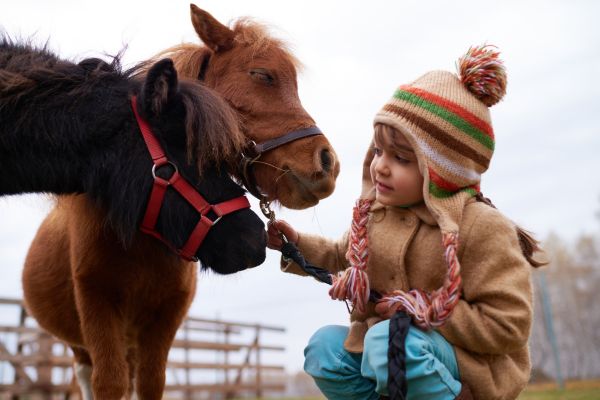
Animal-assisted therapy for children is often pictured as a child sitting beside a gentle dog, brushing a pony, or quietly holding a small animal while talking to a therapist. The image is warm, but the idea behind it is more structured than simple playtime with animals. In a proper therapeutic setting, animals are introduced as part of a planned approach led by a qualified professional, such as a counselor, psychologist, occupational therapist, or other trained practitioner.
The animal is not the therapist. That distinction matters. The animal helps create comfort, focus, motivation, or emotional connection while the professional guides the session toward specific goals. Research reviews suggest animal-assisted therapy may support some children and young people with emotional, behavioral, or developmental needs, though results can vary depending on the child, setting, and therapy design.
Why Animals Can Help Children Feel Safe
Many children find animals less intimidating than adults. A child who feels nervous in a therapy room may not want to answer questions right away, but they might be willing to stroke a calm dog or talk about what the animal is doing. That small opening can make the room feel softer.
Animals offer a kind of presence that is simple and direct. They do not ask complicated questions. They do not correct grammar or judge feelings. For some children, especially those who are shy, anxious, grieving, or emotionally guarded, this can make communication feel less pressured.
A child may say, “The dog looks sad,” when they are actually beginning to talk about sadness in themselves. Or they may explain how to care for the animal before they are ready to speak about their own needs. These indirect moments can be meaningful. Therapy often begins with trust, and animals can help make that first step easier.
Supporting Emotional Regulation
Children do not always know how to name what they feel. Anger, fear, embarrassment, sadness, and worry can come out as silence, restlessness, crying, or sudden outbursts. Animal-assisted therapy can give children a calmer way to notice their bodies and emotions.
A therapist might encourage a child to observe the animal’s breathing, gentle movements, or relaxed posture. The child may then practice slowing their own breathing or speaking in a quieter voice so the animal remains comfortable. This is not magic, of course. It is practice. But because the practice is connected to caring for another living being, it can feel more natural.
For children who struggle with stress or sensory overwhelm, a predictable animal interaction may help them settle into the session. The rhythm of brushing, walking, feeding, or sitting nearby can become a grounding activity.
Encouraging Communication and Social Skills
Animal-assisted therapy for children can also support communication. Some children speak more easily when the focus is not fully on them. Talking to or about an animal can reduce the pressure of direct conversation.
A therapist may ask the child to give simple instructions to a trained animal, describe what the animal is doing, or explain how the animal might be feeling. These activities can encourage eye contact, clear speech, turn-taking, patience, and listening. For children who find social situations confusing, animals can provide immediate, gentle feedback. If a child moves too quickly, the animal may step away. If the child uses a calm voice and careful movement, the animal may stay close.
This teaches an important lesson without a lecture. Relationships work better when we notice the comfort of others.
Building Confidence Through Small Successes
Children who face learning, emotional, or physical challenges may spend a lot of time being corrected. Therapy with animals can offer a different kind of experience. A child may succeed by leading a dog through a simple task, brushing a horse carefully, or remembering the steps in an animal-care routine.
These small successes can build confidence. The child sees, “I can do this.” That feeling matters, especially for children who often feel behind, different, or unsure of themselves.
In occupational or physical therapy settings, animals may help motivate movement. A child might be more willing to walk, stretch, reach, balance, or practice fine motor skills when the activity involves caring for an animal. The work is still there, but it feels less like work.
Helping Children Learn Empathy
Animals naturally invite children to think beyond themselves. Is the animal tired? Does it need space? Is it comfortable? Is it safe to touch right now? These questions help children practice empathy in a concrete way.
For young children, empathy can be a difficult idea when explained in abstract terms. But when they see that loud noises may frighten an animal or gentle hands help an animal relax, the lesson becomes visible. They begin to understand that other living beings have feelings, limits, and needs.
This is especially valuable for children learning emotional awareness, responsibility, and kindness. Caring for an animal under professional guidance can teach patience in a way that feels real.
Common Animals Used in Therapy
Dogs are among the most common therapy animals because many are social, trainable, and comfortable around people when properly selected. Horses are also used in certain therapeutic settings, especially where movement, body awareness, confidence, and emotional connection are part of the goals. Some programs may involve rabbits, guinea pigs, cats, or other calm animals, depending on the setting and the child’s needs.
The choice of animal should never be random. A therapy animal must be suitable for the environment, well cared for, and handled safely. Not every friendly pet is a therapy animal. Good animal-assisted therapy protects the child and the animal equally.
Safety and Professional Guidance Matter
Animal-assisted therapy should be thoughtful and supervised. Children may have allergies, fears, sensory sensitivities, medical needs, or past experiences that affect how they respond. Animals also have limits. They need rest, safe handling, and a calm environment.
A qualified professional should set goals, explain boundaries, and monitor every interaction. Families should feel comfortable asking about the therapist’s training, the animal’s preparation, hygiene practices, emergency procedures, and how progress will be measured.
It is also important to keep expectations realistic. Animal-assisted therapy is not a cure-all, and it should not replace medical care, counseling, speech therapy, occupational therapy, or other support when those are needed. It works best as part of a wider care plan.
When Animal-Assisted Therapy May Be Helpful
Animal-assisted therapy may be considered for children dealing with anxiety, trauma, grief, social difficulties, developmental differences, behavioral challenges, or low confidence. It may also be used in hospitals, schools, counseling spaces, rehabilitation settings, or special education environments.
Still, every child is different. One child may feel comforted by a therapy dog, while another may feel nervous or distracted. Some children connect deeply with horses. Others prefer smaller animals or no animals at all. The child’s comfort should guide the process.
The best therapy is not about forcing a child into a warm-looking activity. It is about finding what genuinely helps that child feel safe enough to grow.
Conclusion
Animal-assisted therapy for children can be a gentle and meaningful way to support emotional, social, and developmental growth. When guided by trained professionals, animals can help children feel calmer, communicate more freely, build confidence, and practice empathy in real-life moments.
Its strength lies in connection. A quiet animal presence can make difficult feelings easier to approach and small therapeutic steps feel less heavy. Used carefully, respectfully, and with realistic expectations, animal-assisted therapy offers children something beautifully simple: a safe space to heal, learn, and feel understood.