

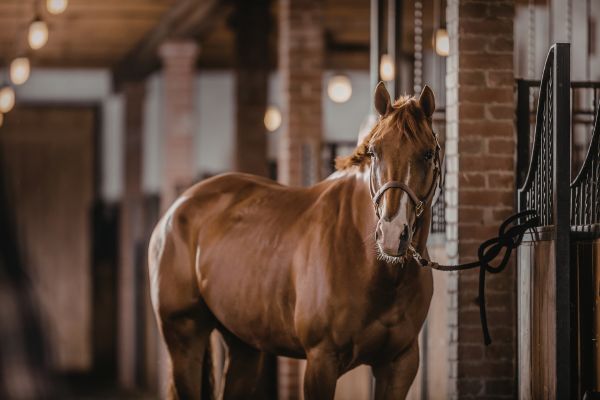
A well-run stable rarely announces itself loudly. You notice it in quieter ways: horses standing calmly, clean water buckets, fresh bedding, organized tack rooms, smooth daily routines, and animals that look bright-eyed and comfortable. Good management often feels invisible because problems are prevented before they grow.
That is the real value behind strong horse stable management tips. Stable care is not only about keeping a building tidy. It is about creating an environment where horses stay healthier, staff work more efficiently, and daily life runs with less stress. Whether caring for one horse or an entire yard, thoughtful systems make a measurable difference.
Horses are sensitive animals. They respond quickly to poor ventilation, inconsistent feeding, dirty stalls, boredom, dehydration, and routine disruptions. They also thrive when basics are handled well.
Why Stable Management Matters More Than People Think
Many owners focus first on feed brands, tack, or training programs. Those things have their place. But housing and daily management shape horse welfare every single day.
A horse spends many hours in or around the stable environment. Air quality, cleanliness, water access, turnout time, noise levels, and handling consistency all influence health and behavior.
Some problems blamed on attitude or temperament are actually management issues in disguise.
That is why practical horse stable management tips often improve not only hygiene, but performance and peace of mind too.
Clean Stalls Consistently, Not Occasionally
Few routines matter more than stall cleanliness. Wet bedding, ammonia buildup, hidden manure, and damp corners can quickly create unhealthy conditions.
Daily mucking out helps keep hooves drier, reduces odor, improves air quality, and makes horses more comfortable lying down or resting.
Consistency matters more than occasional dramatic cleanouts. A lightly maintained stall every day is usually better than neglect followed by a massive weekend reset.
Fresh bedding also helps horses feel settled and cared for.
Prioritize Ventilation Year-Round
Stable air can become stale faster than many people realize. Dust, ammonia, moisture, and heat accumulate in closed buildings.
Good airflow helps reduce respiratory irritation, especially for horses prone to coughing or allergies. Ventilation should allow fresh air movement without creating harsh direct drafts.
In winter, people often close barns too tightly in an attempt to create warmth. Yet poor air quality can become more harmful than cool temperatures.
Among all horse stable management tips, this one is frequently underestimated.
Water Should Never Be an Afterthought
A horse may tolerate many inconveniences poorly, but lack of clean water can affect health quickly.
Buckets and troughs should be checked multiple times daily. Water must be fresh, accessible, and clean. Algae, feed contamination, freezing temperatures, and tipped containers are common issues.
Some horses drink less when stressed, traveling, or during weather changes. Stable managers who notice intake patterns early often prevent larger problems.
Hydration is basic, but basic does not mean minor.
Feeding Routines Need Consistency
Horses generally appreciate predictable routines. Sudden schedule shifts, long fasting gaps, or erratic meal timing can create stress and digestive concerns.
Try to feed at regular times. Ensure forage availability aligns with the horse’s needs and management style. If concentrate feeds are used, divide them sensibly rather than overloading one meal.
Consistency does not require rigidity, but dependable patterns usually help horses feel secure.
A calm horse often begins with a stable routine.
Turnout Is Part of Stable Care
Stable management is not only what happens inside the barn. Horses are movement-oriented animals, and turnout often supports both physical and mental wellbeing.
Regular turnout can help reduce stiffness, boredom, stable vices, and pent-up energy. It also allows more natural behavior such as walking, grazing, and social interaction where appropriate.
Some facilities focus heavily on stall presentation while underestimating turnout value.
A spotless stall cannot fully replace time outside.
Watch the Horse, Not Just the Schedule
One of the most useful horse stable management tips is simple: observe each horse daily with attention.
Is the horse finishing feed? Drinking normally? Moving comfortably? Looking bright? Acting withdrawn? Pawing more than usual? Standing differently? Producing normal manure?
Small changes often appear before clear illness.
A person who knows the normal rhythm of each horse can detect subtle warning signs earlier than someone only following chores mechanically.
Keep Tack Rooms and Feed Areas Organized
Clutter creates wasted time and preventable mistakes. Misplaced halters, unlabeled supplements, open feed bags, broken tools, and tangled lead ropes may seem minor until they cause frustration or risk.
Organized spaces support smoother mornings and safer handling. Feed should be stored securely from pests and moisture. Equipment should have logical places.
Professional-looking yards are often simply well-organized ones.
Efficiency lowers stress for humans too.
Pest Control Requires Ongoing Attention
Flies, rodents, mosquitoes, and other pests can make stable life miserable. They spread contamination, annoy horses, and damage stored supplies.
Regular manure removal, drainage management, sealed feed storage, fly control strategies, and reducing stagnant water all help.
No single product solves everything. Good management usually beats reactive treatment.
Pests thrive where routine slips.
Bedding Choices Should Match the Horse
Different horses do well on different bedding systems depending on respiratory sensitivity, hoof health, workload, and owner preference.
Some barns use shavings, others straw, pellets, hemp, or combinations. The “best” option often depends on dust level, absorbency, disposal ease, and how the horse uses the stall.
A horse that urinates heavily may need a different setup than one that stays relatively tidy.
Management should adapt to the horse rather than forcing one formula onto all animals.
Safety Checks Save Trouble Later
Loose boards, broken latches, protruding nails, damaged fencing, weak gates, slippery floors, frayed electrical cords, and unstable fixtures can become emergencies unexpectedly.
A quick weekly safety walk-through is one of the smartest horse stable management tips because it catches problems while they are still small.
Horses are large, curious, and sometimes surprisingly inventive. If something can be rubbed, chewed, kicked, or leaned on, eventually it may be.
Prevention is cheaper than injury.
Manage Noise and Stress Levels
Some barns feel calm. Others feel tense. Horses notice this difference.
Shouting, rushed handling, chaotic feeding times, constant barking dogs, or aggressive neighboring horses can elevate stress. Quiet confident routines usually produce steadier behavior.
Stable culture matters more than many realize.
A horse often mirrors the environment around it.
Keep Records Even in Small Yards
You do not need a giant commercial barn to benefit from records. Note farrier dates, vaccinations, deworming plans where appropriate, feed changes, injuries, turnout changes, and weight observations.
Memory becomes unreliable when life gets busy.
Simple notes help identify patterns and support better decisions.
Seasonal Management Needs Adjustment
Summer may demand more fly control, hydration checks, and heat management. Winter may shift focus to mud control, frozen pipes, ventilation balance, and calorie needs. Wet seasons test drainage. Windy periods reveal weak structures.
The best stable systems evolve with weather rather than reacting too late.
Good Management Is Often Quiet and Repetitive
People sometimes look for dramatic secrets. In reality, strong horse care usually comes from repeated ordinary habits: clean stall, full bucket, tidy aisle, consistent feed, daily observation, timely repairs.
That repetition builds health over time.
Conclusion
The most effective horse stable management tips are rarely flashy. They center on clean housing, fresh air, safe surroundings, consistent feeding, turnout, hydration, organization, and close daily observation. Horses thrive when their environment is predictable, comfortable, and thoughtfully maintained. Whether managing one stall or many, small routines practiced well often matter more than expensive upgrades. In the end, a successful stable is not defined by appearances alone. It is defined by calm horses, fewer preventable problems, and the steady confidence that good care is happening every day.