

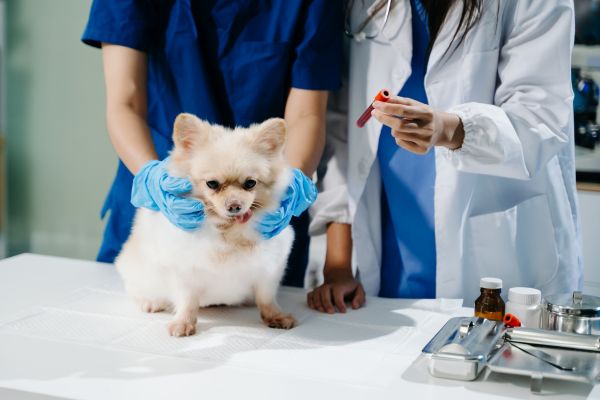
Pets become part of the rhythm of daily life faster than most people expect. A puppy that once wobbled across the living room floor suddenly grows into a loyal companion, while a curious kitten gradually claims every sunny window in the house. Alongside the affection and entertainment they bring, however, comes the responsibility of keeping them healthy. One of the most important aspects of that care is following a proper vaccination schedule for pets.
Vaccinations protect animals from infectious diseases that can spread quickly and cause serious illness. Just as importantly, they help prevent certain diseases from passing between animals and humans. For pet owners, understanding when vaccines are needed—and why they matter—can make a significant difference in the long-term health of both dogs and cats.
Why Vaccinations Matter for Pets
Vaccines work by stimulating an animal’s immune system to recognize and fight specific diseases. When a dog or cat receives a vaccine, the immune system learns how to respond to a weakened or inactive version of a virus or bacteria. Later, if the real disease appears, the body can respond quickly and prevent severe illness.
Without vaccinations, many diseases that are now uncommon could easily reappear. Illnesses such as parvovirus in dogs or panleukopenia in cats were once widespread and often fatal. Thanks to consistent immunization, these conditions are now far less common, though they still exist in areas where vaccination rates are low.
Following a vaccination schedule for pets ensures animals receive protection at the right stage of their development. Puppies and kittens, in particular, are vulnerable because their immune systems are still forming. Early vaccines help bridge the gap between the temporary immunity they receive from their mother and the stronger protection they build themselves.
The First Weeks of a Puppy or Kitten’s Life
Newborn puppies and kittens typically receive antibodies through their mother’s milk during the first few days of life. These antibodies offer some protection from disease, but the protection fades gradually over several weeks. As that natural immunity declines, young animals become more susceptible to infections.
This is where the early stages of a vaccination schedule for pets become crucial. Veterinarians begin administering vaccines at carefully timed intervals to ensure protection begins before the maternal antibodies disappear entirely.
Most veterinarians recommend starting vaccinations for puppies and kittens at around six to eight weeks of age. At this stage, the goal is not just to administer a single shot but to begin a series of vaccines that gradually strengthen immunity.
Core Vaccines for Dogs
Dogs require several vaccines considered essential for their health and safety. These are known as core vaccines because they protect against diseases that are widespread, highly contagious, or particularly dangerous.
One of the most well-known is the rabies vaccine. Rabies is a fatal disease that affects the nervous system and can spread to humans through bites. Because of its severity and public health risk, rabies vaccination is required by law in many regions.
Another key vaccine protects against canine distemper, a viral illness that can affect the respiratory, digestive, and nervous systems. Distemper spreads easily between dogs and can cause long-term complications even in animals that survive.
Parvovirus is another major threat, particularly for puppies. This virus attacks the digestive system and immune cells, often causing severe vomiting, diarrhea, and dehydration. Without prompt treatment, parvovirus can be fatal.
Vaccines for distemper, parvovirus, and several related diseases are often combined into a single injection commonly referred to as the DHPP vaccine. This combination helps simplify the vaccination process while providing broad protection.
Core Vaccines for Cats
Cats also have a set of essential vaccines designed to protect against common and potentially life-threatening diseases.
One of the most important is the vaccine against feline panleukopenia, sometimes called feline distemper. This disease spreads rapidly among cats and can lead to severe gastrointestinal symptoms and immune system suppression.
Another core vaccine protects against feline herpesvirus and calicivirus. Both viruses are major causes of upper respiratory infections in cats, leading to symptoms such as sneezing, eye discharge, and fever. These infections are especially common in environments where many cats live close together.
Like dogs, cats also require rabies vaccination in many regions. Even indoor cats may need the vaccine because rabies can spread through contact with infected wildlife, such as bats.
The combination vaccine for cats, often called the FVRCP vaccine, protects against feline viral rhinotracheitis, calicivirus, and panleukopenia.
Building the Early Vaccination Schedule
A typical vaccination schedule for pets begins during the early months of life and involves several appointments spaced a few weeks apart.
For puppies, vaccinations usually begin between six and eight weeks of age. The first DHPP vaccine is given at this stage, followed by additional boosters every three to four weeks until the puppy reaches about sixteen weeks old. The rabies vaccine is typically administered once the puppy is around twelve to sixteen weeks old, depending on local regulations and veterinary guidance.
Kittens follow a similar pattern. The first FVRCP vaccine is usually given at six to eight weeks of age, with boosters repeated every three to four weeks until the kitten reaches about sixteen weeks. Rabies vaccination generally occurs around the same time as the final booster.
These repeated doses are not simply routine—they help ensure that the vaccine becomes fully effective as the young animal’s immune system matures.
Booster Vaccines for Adult Pets
Vaccination does not stop after the first year of life. Adult pets require periodic booster shots to maintain immunity against certain diseases.
The timing of boosters varies depending on the vaccine. Some vaccines provide protection for one year, while others may last three years or longer. Rabies boosters, for example, are often given every one to three years depending on local laws and the type of vaccine used.
For dogs, booster vaccines may include protection against distemper, parvovirus, and other diseases depending on lifestyle and exposure risks. Cats may receive boosters for the FVRCP vaccine and rabies at intervals recommended by their veterinarian.
Maintaining these boosters is an essential part of following a complete vaccination schedule for pets. Immunity can fade over time, and booster shots help ensure continued protection throughout an animal’s life.
Lifestyle and Risk Factors
Not every pet faces the same level of risk when it comes to infectious diseases. Lifestyle plays a significant role in determining which vaccines may be recommended beyond the core ones.
Dogs that spend time in parks, grooming facilities, training classes, or boarding kennels may benefit from additional vaccines. One example is the vaccine for Bordetella, a bacteria associated with kennel cough. Dogs that frequently interact with other animals are more likely to encounter this infection.
Cats that spend time outdoors or live in multi-cat households may require additional protection as well. For instance, vaccines for feline leukemia virus may be recommended for cats that are exposed to other cats whose health status is unknown.
A veterinarian will usually consider factors such as the pet’s age, environment, and daily habits when tailoring a vaccination plan.
Addressing Common Concerns About Vaccination
Some pet owners worry about potential side effects from vaccines. In most cases, reactions are mild and temporary. A pet may feel slightly tired, experience mild soreness at the injection site, or have a small lump that disappears after a few days.
Serious reactions are rare but possible. Signs such as severe swelling, difficulty breathing, or persistent vomiting should be reported to a veterinarian immediately. Fortunately, these reactions occur in only a small percentage of animals.
The benefits of vaccination generally outweigh the risks, especially considering the severity of the diseases vaccines are designed to prevent.
Keeping Track of Your Pet’s Vaccination History
Maintaining accurate records is an important part of responsible pet care. Most veterinary clinics provide a vaccination record that lists each vaccine, the date it was administered, and when the next booster is due.
These records may also be required when traveling with pets, enrolling them in training classes, or placing them in boarding facilities. Keeping the information organized makes it easier to follow the recommended vaccination schedule for pets without missing important appointments.
Many clinics now send digital reminders or maintain online portals where owners can review their pet’s medical history. Even so, keeping a personal copy of vaccination records can be helpful.
A Healthy Start That Lasts a Lifetime
The early months of a pet’s life pass quickly. One moment a puppy is learning to climb stairs, and the next it is confidently exploring the world outside. During this short window, vaccines provide the foundation for lifelong health.
Following a well-planned vaccination schedule for pets helps prevent diseases that once caused widespread suffering among animals. It also protects other pets in the community by reducing the spread of infectious illnesses.
In the end, vaccinations are not simply a routine veterinary task—they are part of the quiet, steady care that allows pets to grow, explore, and share their lives with the people who love them. By staying informed and keeping up with recommended vaccines, pet owners give their dogs and cats one of the most valuable gifts possible: the chance for a long, healthy life.