

Wildlife documentaries have a special kind of magic. They take us into places many of us may never visit in person: frozen polar landscapes, thick rainforests, open savannas, deep oceans, dry deserts, and hidden wetlands where life moves quietly beyond human attention. Through a camera lens, the natural world becomes both intimate and enormous. We see the soft blink of a leopard resting in the shade, the careful steps of a penguin across ice, the silent movement of a whale beneath blue water, or the tiny struggle of an insect building its world leaf by leaf.
The best wildlife documentaries do more than show beautiful animals. They help us understand behavior, survival, family bonds, migration, climate, habitat, and the delicate balance that keeps ecosystems alive. They can entertain, yes, but they also leave viewers with a deeper respect for the planet. A good documentary does not simply say, “Look at this animal.” It asks us to notice how that animal lives, what it depends on, and what may happen if its world disappears.
Why Wildlife Documentaries Matter
Wildlife documentaries matter because they bring distant ecosystems into everyday life. Not everyone can travel to the Amazon, dive near coral reefs, or sit quietly in an African grassland at sunrise. Film allows these experiences to become accessible. It turns the living planet into something we can observe, learn from, and care about from our own homes.
They also help build emotional connection. Reading facts about endangered animals is useful, but watching a mother elephant guide her calf through dry land can create a different kind of understanding. Seeing a bird build a nest, a wolf pack cooperate, or a turtle hatchling crawl toward the sea makes nature feel personal. These moments stay with people.
At the same time, wildlife documentaries often reveal the pressures facing wild places. Habitat loss, changing weather patterns, pollution, hunting, and shrinking food sources are not abstract problems when seen through the lives of real animals. The most thoughtful films show beauty and difficulty together, reminding viewers that nature is not just scenery. It is a living system under pressure.
The Beauty of Classic Nature Storytelling
Some wildlife documentaries are loved because they follow a classic style: calm narration, breathtaking landscapes, patient camera work, and carefully built scenes of animal behavior. These films often feel peaceful, almost meditative. They let the viewer settle into the rhythm of the wild.
Classic nature storytelling usually focuses on the daily lives of animals. A predator waits. A herd moves. Birds return to a nesting site. Rain changes the mood of a forest. The story unfolds slowly, without needing too much drama. This style works because wildlife already contains its own tension. Survival, hunger, weather, territory, and reproduction all create natural stakes.
These documentaries are especially good for viewers who enjoy learning through observation. They do not rush. They allow space for wonder. In a world full of fast content, that slower pace can feel refreshing.
Ocean Documentaries and the Hidden World Beneath
Ocean-focused wildlife documentaries are often among the most visually powerful. The sea is mysterious because so much of it remains unseen by most people. Underwater films reveal coral reefs glowing with life, whales communicating across distance, sharks moving with quiet control, and tiny organisms drifting through vast blue spaces.
The ocean also gives documentaries a strong sense of scale. A small fish hiding in coral may be filmed with the same care as a massive whale crossing deep water. This contrast reminds us how connected marine life is. The smallest creatures often support the largest ones.
Many ocean documentaries also explore the fragility of marine ecosystems. Coral bleaching, plastic pollution, overfishing, and warming seas have become major themes. When handled well, these films do not feel like lectures. Instead, they show what is at risk by first showing what is beautiful, complex, and alive.
Big Cat Documentaries and the Drama of Survival
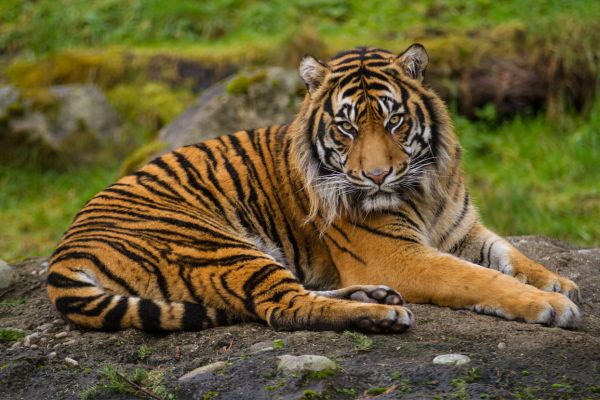
Big cats have long fascinated viewers, and it is easy to understand why. Lions, tigers, leopards, cheetahs, jaguars, and snow leopards carry a natural intensity on screen. They are graceful, powerful, patient, and often difficult to film. Their lives contain drama without needing to exaggerate anything.
Wildlife documentaries about big cats often explore hunting, territory, parenting, and competition. A lioness raising cubs, a leopard hiding prey in a tree, or a cheetah sprinting across open land can create unforgettable scenes. But the strongest documentaries go beyond the chase. They show vulnerability too. Cubs may struggle to survive. A predator may fail repeatedly. A shrinking habitat may force animals closer to danger.
These stories remind viewers that even powerful animals live uncertain lives. Strength does not make them safe from hunger, injury, or environmental change. That balance between beauty and risk is what makes big cat documentaries so compelling.
Bird Documentaries and the Wonder of Movement
Bird documentaries can be surprisingly emotional. Birds are everywhere around us, yet many people barely notice them. When filmed closely, their world becomes full of color, skill, sound, and astonishing journeys.
Migration is one of the most captivating subjects in bird-focused films. Some birds travel across continents, oceans, deserts, and mountains, guided by instincts that still feel almost mysterious. Watching them face storms, exhaustion, predators, and changing landscapes gives new meaning to something as simple as a bird in the sky.
Other bird documentaries focus on courtship, nesting, feeding, or flight. Some species dance. Some build elaborate structures. Some care for their young with remarkable dedication. These films are a reminder that ordinary-looking creatures often live extraordinary lives.
Rainforest Documentaries and the Layers of Life
Rainforests are perfect subjects for wildlife documentaries because they are dense with life. Every layer, from the forest floor to the high canopy, has its own community of animals, plants, insects, fungi, and sounds. A single tree can feel like a world.
Rainforest documentaries often create a sense of discovery. The camera moves through mist, leaves, vines, and shadows. A frog calls from somewhere unseen. A monkey leaps between branches. Insects work silently in the background. Nothing feels empty.
These films also show how connected rainforest ecosystems are. Fruit-eating animals spread seeds. Insects pollinate plants. Predators control populations. Trees influence rainfall and climate. When one part is disturbed, many others feel the effect.
Because rainforests face serious threats from deforestation and land conversion, documentaries about them often carry a strong conservation message. The best ones do this with care, showing both the richness of these habitats and the urgency of protecting them.
Polar Documentaries and Life at the Edge
Polar wildlife documentaries have a quiet power. Snow, ice, wind, and long darkness create a setting that feels almost otherworldly. Yet life survives there with remarkable adaptation. Polar bears, penguins, seals, whales, foxes, seabirds, and many smaller creatures depend on these extreme environments.
These documentaries often focus on endurance. Animals must find food in harsh conditions, protect their young from cold, and travel across difficult terrain. A penguin colony surviving winter or a polar bear searching for stable ice can feel deeply moving because the struggle is so clear.
Polar films also make climate change visible. Melting ice and shifting seasons are not just background details. They directly affect where animals hunt, breed, rest, and migrate. For many viewers, polar documentaries make environmental change easier to understand because the evidence is seen through the lives of animals.
Small Creature Documentaries and Hidden Drama
Some of the most fascinating wildlife documentaries focus not on large animals, but on small ones. Insects, spiders, frogs, reptiles, rodents, and other small creatures often live dramatic lives at a scale we normally miss.
A beetle crossing the forest floor may face obstacles that feel enormous from its perspective. A spider building a web shows design and patience. Ant colonies reveal organization, conflict, and cooperation. Tiny frogs guard eggs. Lizards defend territory. Even a garden can become a wilderness when filmed closely.
These documentaries are valuable because they change the way we look at the world nearby. They remind us that wildlife is not only found in distant national parks. It exists under stones, in grass, on walls, in ponds, and around ordinary homes.
What Makes a Wildlife Documentary Truly Memorable
A memorable wildlife documentary usually has three things: strong visuals, honest storytelling, and emotional depth. Beautiful footage matters, of course. Viewers want to see the details: feathers, eyes, landscapes, movement, weather, and light. But beauty alone is not enough.
The story must feel real. Animals should not be turned into cartoon characters or forced into overly human roles. A little emotion in narration can help, but the best documentaries respect the animal’s own life. They explain behavior without making it feel fake.
Emotional depth comes from patience. When a film allows viewers to spend time with a subject, the connection grows naturally. We begin to understand the animal’s challenges, habits, and place in the ecosystem. By the end, the viewer has not just watched wildlife. They have spent time with it.
Watching Wildlife Documentaries with a More Thoughtful Eye
It is easy to watch wildlife documentaries only for relaxation, and there is nothing wrong with that. They can be calming, beautiful, and inspiring. But watching more thoughtfully can make the experience even richer.
Notice the habitat, not only the animal. Ask why a species lives there, what it eats, what threatens it, and how it interacts with other life around it. Pay attention to seasons, weather, and movement. Think about how much patience and field knowledge went into capturing each scene.
Also remember that a documentary is carefully edited. Hours, days, months, or even years of filming may be shaped into a single episode. What appears effortless on screen often comes from long waiting, difficult travel, technical skill, and deep knowledge of animal behavior.
How Wildlife Documentaries Inspire Conservation
One of the strongest effects of wildlife documentaries is inspiration. They often encourage people to care more about conservation, even in small ways. A viewer may become interested in birdwatching, avoid plastic waste, support habitat protection, learn about local wildlife, or simply speak more thoughtfully about nature.
Not every documentary needs to end with a heavy warning, but many naturally lead to reflection. When we see how complex and beautiful wild systems are, it becomes harder to ignore their decline. The camera becomes a bridge between awareness and responsibility.
In this sense, wildlife documentaries are not only films. They are quiet invitations to pay attention.
Conclusion: A Window Into a Living Planet
Wildlife documentaries give us a rare window into lives that usually unfold beyond our view. They show beauty, struggle, instinct, family, danger, and survival in ways that feel both educational and deeply human. Through them, we travel without leaving home, but more importantly, we learn to look at the natural world with greater care.
The best wildlife documentaries to watch are not only the ones with the most dramatic scenes or rarest animals. They are the ones that leave us more aware than before. They help us see that every creature, large or small, belongs to a wider story.
When a documentary ends, the screen goes dark, but the feeling often remains. A forest seems less silent. A bird outside the window feels more interesting. The ocean feels less distant. That is the real power of wildlife documentaries: they remind us that the planet is alive in countless ways, and that its stories are still unfolding all around us.