

Raising healthy chicks begins long before they scratch at the ground or settle into a coop. The earliest days of a chick’s life are surprisingly delicate, and small mistakes during this stage can affect growth, immunity, feather development, and survival rates for weeks afterward. That is why experienced poultry keepers often pay close attention to brooding practices. Good brooding is not simply about keeping chicks warm. It involves creating a stable environment where young birds can eat, rest, grow, and adapt gradually to the world around them.
For many beginners, the excitement of bringing home fluffy chicks can overshadow the importance of preparation. A brooder that feels slightly too cold, damp bedding that goes unnoticed for a day, or inconsistent feeding routines may create stress quickly. Chicks are resilient in some ways, but they are also highly sensitive during the first few weeks of life.
Understanding practical chicken brooding techniques helps create healthier birds and a smoother transition from hatchling to mature flock member. Much of the process comes down to consistency, observation, and learning how chicks naturally respond to their environment.
Understanding the Purpose of Brooding
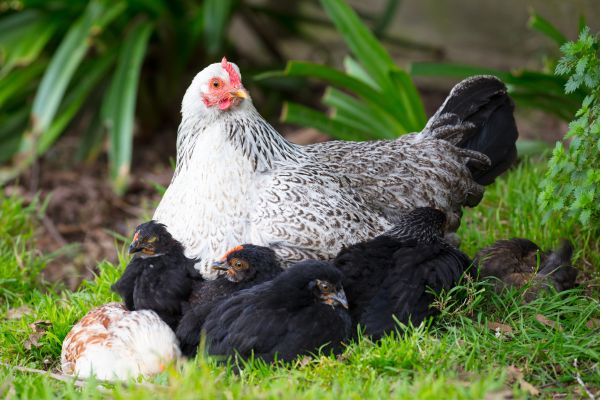
Brooding replaces the care a mother hen would normally provide. In natural settings, chicks spend their early days tucked beneath warm feathers, returning frequently for protection and heat. Artificial brooding aims to recreate those conditions as closely as possible.
Young chicks cannot regulate body temperature effectively during the first weeks of life. Without adequate warmth, they may become weak, stop eating, or crowd together dangerously. Excessive heat, however, creates its own problems and can lead to dehydration or stress.
A good brooding setup balances warmth, ventilation, cleanliness, food access, and safety. When those elements work together, chicks tend to grow evenly and behave calmly. Poor brooding conditions usually reveal themselves quickly through noisy chirping, lethargy, uneven growth, or unusual behavior.
Choosing the Right Brooder Space
The brooder itself does not need to be complicated, but it does need to be secure and practical. Many poultry keepers use stock tanks, wooden boxes, large plastic tubs, or specially designed brooders. What matters most is providing enough room for movement while protecting chicks from drafts and predators.
Space requirements increase rapidly as chicks grow. A brooder that feels roomy during the first week can become overcrowded surprisingly fast. Overcrowding often leads to stress, pecking issues, and dirty conditions.
Ventilation is another important factor. Chicks produce moisture and dust, especially in enclosed spaces. Fresh airflow helps maintain healthier air quality without exposing birds to cold drafts directly.
Location matters too. Brooders placed in noisy or heavily trafficked areas may create unnecessary stress. Calm environments generally encourage more stable feeding and resting patterns.
Temperature Control During Early Growth
Temperature management sits at the center of most chicken brooding techniques. Newly hatched chicks require significantly more warmth than older birds because their bodies are still developing temperature regulation abilities.
Most brooders begin around 95 degrees Fahrenheit during the first week, with temperatures gradually reduced each week afterward. The gradual reduction encourages chicks to adapt naturally as feathers develop.
Still, behavior often tells more than a thermometer alone. Chicks huddled tightly beneath the heat source usually indicate cold conditions. Birds spread far apart and panting may suggest overheating. Comfortable chicks tend to move freely, eat regularly, and rest calmly throughout the brooder.
Modern brooders may use heat lamps, radiant heaters, or heating plates. Each method works differently, but consistency is more important than complexity. Sudden temperature fluctuations can stress chicks quickly.
Nighttime monitoring becomes especially important during the first week. Even a short heating failure can create serious problems for very young birds.
Bedding Choices and Brooder Hygiene
Clean bedding affects both health and comfort. Damp or dirty litter encourages bacteria growth and may contribute to respiratory issues or infections.
Pine shavings are commonly used because they absorb moisture well and remain relatively soft underfoot. Some keepers avoid slippery surfaces like newspaper since chicks can struggle for traction, which may affect leg development.
Brooder bedding often requires more frequent cleaning than beginners expect. Water spills, droppings, and scattered feed accumulate rapidly in warm environments.
Dry conditions matter greatly during brooding. Chicks exposed to damp bedding for extended periods may become chilled even when heat levels appear correct. Clean surroundings also reduce ammonia buildup, which can irritate delicate respiratory systems.
A brooder rarely stays spotless for long, but regular maintenance helps prevent small issues from becoming larger health problems.
Feeding Young Chicks Properly
Nutrition during early life shapes future growth and development. Chicks require balanced starter feed designed specifically for their stage of growth. Protein levels are especially important during the brooding period because feather and muscle development happen rapidly.
Feeders should remain accessible without becoming overcrowded. Weak or timid chicks sometimes struggle to compete for food in busy brooders.
Water access is equally critical. Chicks can become dehydrated surprisingly quickly, especially under warm brooder conditions. Fresh water should always remain clean and easy to reach.
One challenge during brooding involves preventing chicks from contaminating their own water. Young birds have a talent for stepping into dishes, scattering bedding, and creating muddy conditions. Slightly elevated waterers often help reduce mess.
Observing feeding behavior daily helps identify problems early. Healthy chicks are usually curious, active eaters that move between feeding, drinking, resting, and exploring throughout the day.
Recognizing Healthy Chick Behavior
Chicks communicate a great deal through movement and sound. Calm, evenly distributed birds generally indicate comfortable conditions, while loud distress chirping often signals discomfort.
Healthy chicks tend to be alert and active without appearing frantic. They nap frequently but wake easily and move with curiosity. Feather development gradually becomes more noticeable each week.
Lethargy, drooping wings, pasted vents, or unusual isolation may indicate illness or stress. Catching problems early often improves recovery chances.
One of the more useful habits poultry keepers develop is simple observation. Spending even a few quiet minutes watching chick behavior each day can reveal subtle issues before they become serious.
Chicks rarely hide discomfort for long.
Preventing Common Brooding Problems
Many brooding challenges stem from environmental imbalance rather than disease itself. Overheating, poor ventilation, overcrowding, wet litter, and nutritional stress all weaken chicks and create opportunities for illness.
Pasty butt, a condition where droppings stick near the vent area, is relatively common in young chicks. Stress from shipping, temperature changes, or dehydration often contributes to the problem.
Pecking behavior can also emerge in crowded or stressful conditions. Boredom, excessive brightness, and lack of space sometimes increase aggression among growing chicks.
Respiratory issues occasionally develop when brooders become dusty or poorly ventilated. Fresh air matters, but direct drafts should still be avoided.
Consistency helps prevent many problems before they begin. Chicks generally thrive when their environment remains predictable and stable.
Gradually Transitioning Chicks Outdoors
Brooding does not end suddenly. As chicks feather out and mature, they gradually become better equipped to handle cooler temperatures and outdoor conditions.
Weather plays an important role in timing. Fully feathered chicks adapt more easily during mild seasons than during cold or wet periods.
Some poultry keepers begin short outdoor visits during warm afternoons to help chicks adjust gradually. Exposure to natural light, fresh air, and changing temperatures encourages adaptation.
Still, transitions should remain gradual rather than abrupt. Moving young birds outdoors too quickly may create stress that slows growth or weakens immunity.
Flock integration also requires patience. Older chickens sometimes bully smaller newcomers, so careful introductions help reduce injuries and social stress.
The Importance of Observation and Routine
One of the most overlooked aspects of successful brooding is routine. Chicks respond well to predictable care, regular feeding times, stable temperatures, and calm environments.
Daily observation allows poultry keepers to adjust conditions before problems escalate. Even experienced flock owners continue learning through observation because every batch of chicks behaves a little differently.
Some chicks grow faster. Others remain timid longer. Environmental factors shift constantly. Good brooding techniques involve adapting thoughtfully rather than following rigid formulas alone.
There is also something quietly rewarding about watching chicks mature during these early weeks. Tiny birds that once relied entirely on artificial warmth gradually become confident, feathered young chickens exploring every corner of their environment.
Seasonal Considerations in Chicken Brooding
Seasonal conditions influence brooding more than many beginners expect. Winter brooding usually requires closer attention to heating reliability and draft prevention. Power outages become especially concerning during cold weather.
Summer brooding creates different challenges. Overheating, poor ventilation, and water management often become bigger concerns during warmer months.
Humidity also matters. Extremely damp conditions can encourage bacterial growth, while overly dry brooders may increase dust problems.
Regional climate differences shape brooding methods as well. Poultry keepers in colder areas may brood chicks indoors longer, while warmer climates often allow earlier outdoor transitions.
Successful brooding techniques tend to adapt naturally to local conditions rather than relying on identical setups everywhere.
Conclusion
Good chicken brooding techniques create the foundation for healthier, stronger birds later in life. The early weeks may seem simple on the surface, but they involve careful balance between warmth, cleanliness, nutrition, space, and observation.
Chicks grow quickly, and small environmental changes often affect them more than expected. Consistent care, calm routines, and close attention to behavior usually matter far more than expensive equipment or complicated systems.