

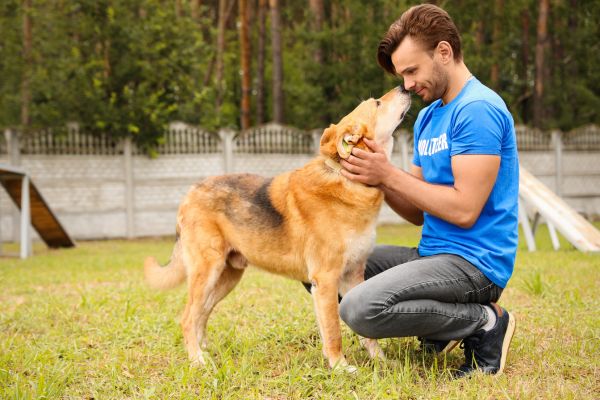
Animal shelters are full of movement, noise, emotion, and small acts of care that often go unnoticed. A dog waiting at the kennel door. A cat tucked into the back of a cozy bed. A staff member carrying laundry in one arm and a food bowl in the other. A volunteer kneeling quietly beside a frightened animal, giving it a few calm minutes in a busy day.
People often imagine shelter volunteering as simply playing with puppies or cuddling kittens. Those moments do happen, and they can be lovely. But the real work is broader, messier, and more meaningful than that. Shelters depend on volunteers who bring patience, reliability, practical thinking, emotional steadiness, and a willingness to help wherever help is needed.
Understanding the volunteer skills needed at animal shelters can help new volunteers arrive with realistic expectations. You do not have to be an expert in animal care before you begin. Many shelters provide training. What matters most is the attitude you bring, the way you listen, and your ability to respect the needs of animals who may be scared, stressed, sick, or simply waiting for a second chance.
Patience Is One of the Most Important Shelter Skills
Patience sits at the heart of animal shelter work. Animals do not adjust on a human schedule. A dog who was friendly yesterday may be nervous today. A cat who seems calm in a quiet room may hide when new people enter. A rescued animal may need days, weeks, or even longer before it begins to trust.
Volunteers need patience not only with animals, but also with the shelter environment itself. Tasks can change quickly. A volunteer may arrive expecting to walk dogs and instead be asked to fold laundry, clean carriers, refill water bowls, or help prepare food. None of these jobs are glamorous, but every one of them supports animal care.
Patience also helps volunteers avoid rushing interactions. Many shelter animals need slow introductions. Reaching too quickly, speaking too loudly, or expecting instant affection can make nervous animals retreat further. A patient volunteer understands that sitting quietly nearby may be more helpful than trying to force contact.
In shelters, progress often comes in small signs. A shy cat blinking softly. A frightened dog taking a treat. A stressed animal choosing to rest. These moments may look ordinary, but they can mean a great deal.
Good Observation Helps Keep Animals Safe
One of the most useful volunteer skills needed at animal shelters is the ability to notice details. Animals communicate constantly, but not always in obvious ways. A dog may stiffen before barking. A cat may flatten its ears before swatting. A rabbit may stop eating when something is wrong. Small changes in behavior can reveal fear, discomfort, illness, or stress.
Volunteers are often extra eyes for shelter staff. They may notice that an animal is limping, coughing, refusing food, scratching excessively, or acting differently than usual. Reporting these observations quickly can help staff respond before a problem becomes more serious.
Observation also matters during walks, playtime, cleaning, and meet-and-greet sessions. A volunteer should be aware of doors, leashes, kennel latches, other animals, visitors, and the animal’s body language. Shelters are active places, and safety depends on people paying attention.
This does not mean volunteers must become professional trainers or veterinary experts. It simply means they should stay alert, ask questions, and avoid ignoring signs that something feels off.
Clear Communication Makes the Shelter Run Better
Animal shelters rely on teamwork. Staff, volunteers, foster carers, veterinarians, adopters, and rescue partners may all be involved in an animal’s care. Good communication helps everyone stay on the same page.
Volunteers should be comfortable asking for instructions, clarifying tasks, and reporting concerns. If a dog seemed unusually tired during a walk, staff should know. If a cat refused food, someone should hear about it. If a visitor asked a question the volunteer cannot answer, it is better to find a staff member than to guess.
Clear communication also includes honesty about comfort level. Not every volunteer is ready to handle large dogs, fearful animals, medical cases, or busy adoption events. Saying “I’m not trained for this yet” is not a weakness. It is responsible.
In a shelter setting, silence can create confusion. A simple update can prevent mistakes, save time, and sometimes protect an animal from harm.
Reliability Matters More Than People Realize
Shelters often operate with limited staff and tight schedules. When a volunteer signs up for a shift, the shelter may plan around that help. If the volunteer does not show up, tasks still need to be done. Animals still need feeding, cleaning, walking, and attention.
Reliability is not the most exciting skill, but it is one of the most valued. A dependable volunteer who arrives on time, follows through, and communicates schedule changes respectfully can become a huge support to the shelter.
Consistency also benefits animals. Many shelter pets feel calmer with predictable routines. A dog who gets regular walks may manage stress better. A cat who receives gentle daily attention may become more comfortable around people. Over time, reliable volunteers can help animals build confidence.
It is better to commit to a small amount of time regularly than to promise too much and disappear. Shelters need enthusiasm, yes, but they also need people who can be counted on.
Emotional Strength Is Needed Around Difficult Stories
Volunteering at an animal shelter can be joyful, but it can also be emotionally heavy. Some animals arrive neglected, injured, abandoned, or deeply frightened. Others wait longer than expected for homes. Occasionally, shelters face heartbreaking medical or behavioral decisions.
Volunteers need compassion, but they also need emotional steadiness. Feeling sad is natural. Caring deeply is part of the work. Still, volunteers must be able to keep functioning in a setting where not every story is easy.
This emotional strength does not mean becoming cold. In fact, the best volunteers often feel a lot. They simply learn how to stay useful while feeling it. They focus on what can be done today: cleaning a kennel, walking a dog, comforting a scared cat, helping a visitor understand adoption, or giving an animal a calm moment.
Shelters need people who can bring kindness without being overwhelmed by every difficult scene. That balance takes time, and it is okay to learn it gradually.
Respect for Rules Protects Everyone
Every shelter has procedures, and they exist for good reasons. There may be rules about how to open kennels, which animals can be handled, where dogs can be walked, how cleaning chemicals are used, and when visitors can interact with animals. At times, these rules may seem strict, especially to someone eager to help.
But shelter rules protect animals, volunteers, staff, and the public. A door left unsecured can lead to an escape. Mixing animals without approval can cause fights or stress. Feeding the wrong treat to an animal with medical needs can create health problems. Even small shortcuts can have serious consequences.
A strong volunteer respects training and follows instructions, even when no one is watching. This kind of discipline is not about limiting kindness. It is about making kindness safe.
Basic Animal Handling Skills Are Helpful
Many shelters train volunteers in animal handling, but a natural respect for animal boundaries is important from the beginning. Volunteers should understand that animals are individuals. Not every dog wants to be hugged. Not every cat likes being picked up. Not every wagging tail means happiness. Not every quiet animal is relaxed.
Good handling begins with calm movement, gentle voices, and awareness of body language. It also includes proper leash use, safe kennel entry, careful door control, and knowing when to step back. Sometimes the best handling decision is to not handle the animal at all until trained staff can assist.
For volunteers who continue long-term, learning more about behavior can be incredibly valuable. Understanding fear, stress signals, enrichment, and positive reinforcement can improve the experience for both animals and humans.
Cleaning and Practical Care Are Part of the Job
Animal shelter work involves a lot of cleaning. Kennels, cages, bowls, litter boxes, bedding, floors, toys, laundry, and carriers all need regular attention. Clean spaces reduce disease risk and help animals feel more comfortable.
Some new volunteers are surprised by how much practical work is involved. But cleaning is not separate from animal care. It is animal care. A clean kennel, fresh bedding, and sanitized food bowls can make a shelter animal’s day safer and calmer.
Volunteers who are willing to do practical tasks without complaint are deeply appreciated. They help create the foundation that everything else depends on. Adoption rooms may look warm and welcoming, but behind the scenes, someone is always washing, sweeping, disinfecting, organizing, and resetting the space for the next animal.
People Skills Matter Too
Animal shelters are about animals, but they also involve people every day. Visitors may be emotional, uncertain, excited, grieving, or nervous about adoption. Some may ask many questions. Others may need guidance choosing a pet that fits their lifestyle.
Volunteers do not usually make final adoption decisions unless trained for that role, but friendly and respectful people skills still matter. A volunteer may welcome visitors, explain basic procedures, direct someone to staff, or share simple information about an animal’s personality.
Kind communication can shape how the public experiences the shelter. A calm, helpful volunteer can make the environment feel less intimidating. This matters because positive shelter experiences can lead to more adoptions, more donations, and more community support.
Flexibility Helps Volunteers Fit Into Shelter Life
No two shelter days are exactly the same. One day may be quiet. Another may bring emergency intakes, unexpected medical needs, a rush of visitors, or a shortage of supplies. Volunteers who can adapt are especially helpful.
Flexibility means being willing to switch tasks, learn new routines, and accept that the shelter’s needs may not always match personal preferences. It also means understanding that staff members are often juggling many responsibilities at once.
A flexible volunteer does not need constant praise or perfect conditions. They see what needs doing and step in where they are trained to help. That attitude can make a real difference in a busy shelter.
Conclusion: Shelter Volunteering Is Care in Action
The volunteer skills needed at animal shelters go far beyond loving animals, though love is certainly a good place to start. Shelters need patient listeners, careful observers, reliable helpers, calm communicators, practical workers, and people who can treat both animals and humans with respect.
Not every volunteer will have every skill on the first day. That is normal. Many of the most valuable qualities grow with experience. A person learns how to read a nervous dog, how to clean efficiently, how to speak with adopters, and how to stay steady when the work feels emotional.
At its heart, shelter volunteering is care in action. It is showing up when animals need consistency. It is doing small tasks that add up to safety, comfort, and hope. And sometimes, without much drama, it is helping an animal move one quiet step closer to home.