

A low-shedding dog can make everyday life easier, especially in a compact UK home where fur quickly gathers on carpets, sofas and school uniforms. The important distinction is that low shedding does not mean no grooming, and “hypoallergenic” does not mean allergy-proof. Dog allergies are usually triggered by proteins in dander, saliva and urine rather than the hair itself, so every breed can still cause symptoms in a sensitive person.
The best choice depends on more than the coat. You also need to compare size, exercise needs, temperament, grooming costs and how well the dog fits your household. The breeds below are strong options for people who want less loose fur, but each comes with trade-offs.
What counts as a low-shedding dog?
Low-shedding breeds often have continuously growing, curly, silky or wiry coats that hold loose hairs rather than dropping them around the home. That reduces visible fur, but trapped hair must be brushed out before it mats. Many non shedding breeds need professional clipping every six to eight weeks, so they are not automatically low maintenance dog breeds.
For allergy sufferers, spend time with an adult dog of the breed before committing. A practical test is to visit the breeder or rescue more than once, sit indoors with the dog, handle its bedding and note whether symptoms develop later. Anyone with asthma or significant reactions should discuss pet ownership with a GP or allergy specialist.
The best low-shedding breeds for UK homes
Poodle
Toy, Miniature and Standard Poodles all have dense, curly coats that shed very little. They are intelligent, responsive and usually eager to learn, making them appealing family companions when properly socialised. Toy and Miniature Poodles can suit flats, while Standards generally need more space and activity. Their coats require frequent brushing and professional grooming, so budget and time matter as much as floor space.
Bichon Frise
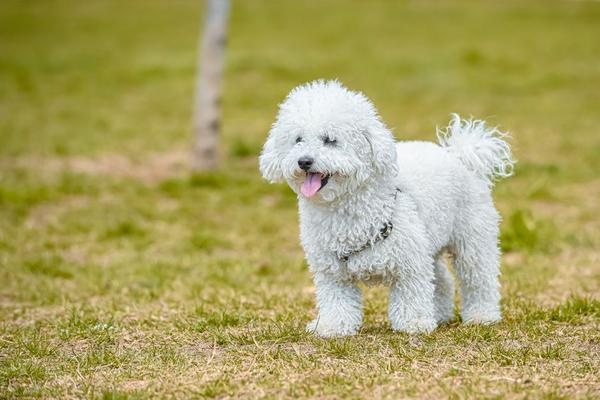
The cheerful Bichon Frise is one of the most popular hypoallergenic dogs UK households consider. Its soft curls retain loose hair, and its small size works well in flats and modest houses. Bichons are affectionate and often sociable with children and other pets. Daily coat care helps prevent tangles, while trimming is usually needed every few months. They also enjoy company and may struggle if routinely left alone all day.
Miniature Schnauzer
Miniature Schnauzers combine a compact build with a wiry, low-shedding coat. They are lively, alert and full of personality. Around an hour of daily exercise is a sensible expectation, alongside games and training for their quick minds. Brushing several times a week plus periodic clipping or hand stripping keeps the coat manageable. Their tendency to bark makes early training useful in terraced homes or flats.
Maltese
The Maltese has long, silky hair and releases relatively little loose hair. It is small enough for urban living and tends to form close bonds with its owner. A short pet trim can simplify daily care, although brushing, eye-area cleaning and regular grooming remain necessary. Because the breed is delicate, families with very young children should supervise interactions and teach gentle handling.
Yorkshire Terrier
Yorkshire Terriers are tiny, portable and low shedding, but their terrier confidence can make them feel much larger than they look. They can thrive in flats with daily walks, play and consistent training. A clipped coat is practical for most pet homes. Yorkies can be vocal and determined, so they suit owners who appreciate a bold character rather than expecting a quiet lapdog.
Bedlington Terrier
With its lamb-like outline and crisp, curly coat, the Bedlington Terrier is a distinctive British option. It sheds very little and is more athletic than its elegant appearance suggests. Bedlingtons need regular exercise, mental stimulation and professional coat shaping. They can be affectionate family dogs, but their terrier instincts mean thoughtful introductions to small pets are wise.
Lagotto Romagnolo
The Lagotto Romagnolo is a medium-sized Italian breed with a curly, low-shedding coat and a working background. It tends to enjoy scent games, training and outdoor activity, suiting an active household that wants something sturdier than a toy breed. The curls need routine checking and trimming, particularly around the ears, paws and areas where mud collects after wet UK walks.
Portuguese Water Dog
For families wanting a larger low-shedding companion, the Portuguese Water Dog is worth considering. It is energetic, intelligent and happiest with owners who enjoy long walks, training and canine activities. Its curly or wavy coat requires substantial maintenance. This is not the easiest choice for a quiet household, but it can be an excellent partner for an active family with time and space.
Which breed is best for your household?
For a small flat, a Toy or Miniature Poodle, Bichon Frise, Maltese or Yorkshire Terrier is usually easier to accommodate, provided barking and separation needs are managed. Families seeking one of the best family dog breeds may prefer a well-socialised Poodle, Bichon or Miniature Schnauzer. Active owners could look at the Lagotto, Bedlington or Portuguese Water Dog.
Coat maintenance should be compared honestly. A dog that leaves little hair on the sofa may require daily brushing and a professional groomer throughout its life. Before choosing, review our guide to choosing the right dog breed, puppy grooming checklist and advice on preparing your home for a new dog as part of your wider planning.
Low-shedding crossbreeds: are they predictable?
Poodle crosses are often marketed as reliably non shedding, but coat type can vary within the same litter. A puppy may inherit a curlier coat, a straighter shedding coat or something between the two. Temperament, size and grooming needs can also be less predictable. Meet the parent dogs, ask about health testing and avoid choosing solely because a seller uses the word “hypoallergenic.”
Frequently asked questions
Is any dog completely hypoallergenic?
No. Every dog produces potential allergens in dander, saliva and urine. Some low-shedding breeds may spread less hair around the home, but an individual can still react strongly to them.
Do low-shedding dogs need less grooming?
Usually not. Their coats often trap dead hair and tangle easily, so regular brushing and professional trimming may be essential. Low shedding and low grooming are different qualities.
What is the best low-shedding dog for a UK flat?
A Toy or Miniature Poodle, Bichon Frise, Maltese or Yorkshire Terrier can suit flat living when exercise, training and noise are managed. The individual dog’s temperament matters as much as breed size.
How can I reduce dog allergens at home?
Keep the dog out of bedrooms, wash hands after handling, clean soft furnishings regularly and use a vacuum with a HEPA filter. Grooming by a non-allergic person may also help reduce allergen spread.
Choosing less fur without overlooking the dog
The best low-shedding dog is the one whose full needs match your life. Poodles and Bichons offer adaptable companionship, Schnauzers bring lively character, and larger working breeds suit active homes. Compare exercise, grooming, health and temperament before focusing on coat alone. With realistic expectations and time spent around the individual dog, you are more likely to choose a companion who fits both your home and family.