

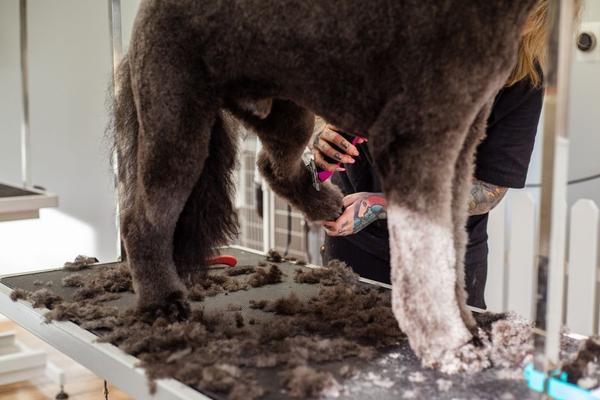
There is no single grooming timetable that suits every dog. A short-coated dog that spends most days indoors may need only a weekly brush and occasional bath, while a long-haired or curly-coated dog can need near-daily coat care and regular professional trimming. The most useful way to decide how often you should groom a dog is to separate grooming into individual jobs: brushing, bathing, nail care, ear checks, and coat trimming.
A practical dog grooming schedule should also respond to lifestyle. Muddy walks, swimming, seasonal shedding, skin problems, age, and mobility can all change what is needed. Rather than waiting for a dog to look untidy, use grooming as routine maintenance that keeps the coat comfortable and gives you regular chances to notice changes in the skin, paws, ears, or nails.
Start With Your Dog’s Coat Type
Coat type is the biggest factor in how often to brush a dog. Smooth, short coats are usually the easiest to maintain. A thorough brush about once a week is often enough to lift loose hair and dirt, although dogs that shed heavily may benefit from more frequent sessions during seasonal coat changes.
Medium, long, feathered, curly, and woolly coats usually need much more attention. Brushing several times a week, and sometimes daily, helps prevent tangles from tightening into painful mats. Pay special attention behind the ears, under the collar or harness, in the armpits, and around the back legs.
Double-coated dogs may not need frequent clipping, but they often need substantial brushing when the undercoat is being shed. If you are unsure which tool suits your dog’s coat, a vet or reputable groomer can help you choose one.
A simple real-world example
A smooth-coated Beagle may only need a weekly brushing to remove loose hair. A Cockapoo wearing a harness on daily walks may need brushing every day or two, especially under the legs and chest, because friction and curly hair can create tangles quickly. Waiting until both dogs look visibly messy would give the second dog far too little maintenance.
How Often Should You Bathe a Dog?
Dog bathing frequency varies widely, and more bathing is not automatically better. Many healthy dogs only need a bath when they are dirty, noticeably smelly, or when their normal routine calls for one. Some coat and skin types require more frequent washing, while others do well with baths spaced much further apart.
Bathing too often with unsuitable products can dry or irritate the skin, so use a shampoo formulated for dogs and rinse thoroughly. Brush out tangles before the coat gets wet because water and shampoo can make existing mats tighter.
If your dog has allergies, recurrent itching, greasy skin, infections, or another skin condition, follow your vet’s advice rather than a generic timetable. Medicated shampoos are treatments, and their frequency should be based on veterinary instructions.
Build Nail Care Into the Routine
Dog nail trimming does not fit one fixed calendar. Active dogs that regularly walk on hard surfaces may naturally wear their nails down, while older dogs, dogs with reduced mobility, or dogs mainly exercised on softer ground may need trimming more often.
Check the nails regularly instead of relying only on a date. Nails that are touching the floor, changing the way the paw sits, or clicking heavily on hard surfaces may be too long. Do not forget the dew claws, which often receive little natural wear.
If your dog has dark nails or becomes anxious when their feet are handled, ask a vet, veterinary nurse, or groomer to demonstrate safe trimming. Cutting into the quick can cause pain and bleeding, so small, controlled trims are safer.
Check Ears, Paws, Eyes, and Skin While You Groom
A good grooming routine is also a quick health check. Look over the ears about weekly, especially in dogs with floppy ears or a history of ear trouble. Healthy ears do not necessarily need frequent cleaning. Strong odour, redness, swelling, discharge, persistent scratching, or head shaking are reasons to contact your vet.
At the same time, check paw pads for cracks, cuts, trapped debris, or matting between the toes. Look through the coat for lumps, sore patches, parasites, or areas of broken skin.
When Does a Dog Need Professional Grooming?
Dogs with continuously growing, long, or easily matted coats may need professional clipping every few weeks to a few months, depending on breed, coat length, preferred style, and home maintenance. Some rough-coated breeds may need hand stripping rather than ordinary clipping.
Professional appointments do not replace home care. A dog that visits a groomer every six or eight weeks can still develop mats between visits if the coat is not brushed properly. Think of professional grooming as one part of the wider routine.
Useful related topics for your care plan include dog coat types, safe dog nail trimming, and dog ear care. Each can help you fine-tune the routine as your dog’s needs change.
A Practical Grooming Rhythm to Follow
For many owners, the easiest system is to attach grooming jobs to regular habits. Give the coat a quick check after walks, schedule a more thorough brush weekly or several times a week depending on coat type, inspect ears and paws weekly, and assess the nails every few weeks. Bathe when needed unless your vet or groomer has recommended a specific schedule.
Seasonal changes matter too. Heavy shedding may mean more brushing, wet walks can increase mud and tangles, and swimming can leave moisture around the ears. A flexible routine is more effective than following the same timetable all year.
Frequently Asked Questions
How often should a short-haired dog be groomed?
Many smooth, short-haired dogs do well with a thorough brushing about once a week, plus regular nail, ear, paw, and skin checks. Dogs that shed heavily or get dirty outdoors may need extra brushing.
How often should a long-haired dog be brushed?
Long-haired dogs often need brushing several times a week, and many benefit from daily maintenance. Areas that rub against harnesses, collars, legs, and ears usually need the closest attention because they mat fastest.
Should dogs be bathed every week?
Not routinely. Some dogs may need weekly bathing for a particular coat or veterinary reason, but many healthy dogs can be bathed much less often. Coat type, lifestyle, skin health, and the shampoo being used all matter.
How do I know if my dog’s grooming schedule is too infrequent?
Warning signs include recurring mats, heavy dirt build-up, overgrown nails, strong odour, knots forming before each brushing session, or a coat that is difficult to comb through. Adjust the routine before these problems become uncomfortable.
Keep the Schedule Flexible
The best answer to how often should you groom a dog is not a single number. It is a repeatable routine matched to coat type, activity, health, and comfort. Brush often enough to prevent tangles, bathe when the coat genuinely needs it, monitor nail length, and use weekly checks to catch small problems early. Once those habits are in place, grooming becomes easier for both you and your dog.