

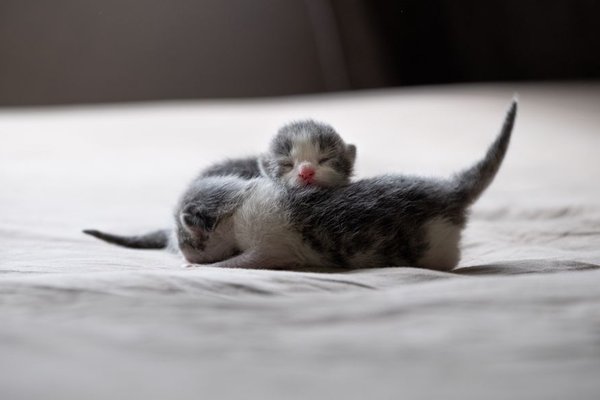
Bringing a kitten home is exciting, but the first week can also feel intense. Your kitten has left familiar smells, people and routines, then arrived somewhere where every sound and surface is new. A calm start is less about constant entertainment and more about making life predictable. During the kitten first week home period, focus on safety, food, toileting, sleep and gentle trust-building before expecting confident exploration.
Start With One Quiet, Kitten-Safe Room
Set up a kitten safe room before arrival, ideally somewhere quiet with a door that closes securely. Include a bed, hiding place, scratching post, toys, food, fresh water and a litter tray placed well away from the feeding area.
Kitten-proof the room carefully. Block narrow gaps behind furniture and appliances, secure windows, tidy electrical cables, remove medicines and cleaning products, and keep toxic plants out of reach. Lilies are especially dangerous to cats and should not be kept where a kitten could contact the plant, pollen or vase water.
When you arrive home, put the carrier in the room, open the door and let your kitten come out when ready. Avoid reaching in and pulling them out. Some kittens investigate within minutes; others may stay hidden for hours.
Keep the First 24 Hours Simple
The first days with kitten ownership can tempt people to introduce every family member, toy and room at once. Keep visitors and noise to a minimum, speak softly and allow plenty of uninterrupted sleep. Young kittens sleep a great deal, and rest is part of healthy development.
Try sitting quietly on the floor for ten minutes while reading or using your phone. Place a toy nearby and let the kitten decide whether to approach. This gives them a chance to learn your scent, voice and movements without feeling cornered. Trust often grows faster when the kitten controls the distance.
Keep Food Familiar at First
If possible, continue with the same complete kitten food the breeder, rescue or previous carer was using. If you want to change brands later, do it gradually to reduce the chance of digestive upset.
Kittens generally do well with small, regular meals because they are growing quickly and have small stomachs. Follow the feeding guide for the specific food and your vet’s advice for your kitten’s age and weight. Keep clean drinking water available at all times, preferably separate from the food bowl. A guide to kitten feeding schedules and portions is a useful next step as your kitten grows.
Make Litter Success Easy
Use a tray that is easy to enter, put it somewhere quiet and private, and start with the type of litter the kitten already knows if possible. Keep it away from food and water, and make sure your kitten can reach it without passing anything frightening or noisy.
Show your kitten where the tray is after they have explored the room, but do not repeatedly place or hold them in it. Scoop waste promptly and avoid punishment for accidents. Repeated toileting outside the tray can be linked to stress, setup problems or illness, so persistent changes deserve attention. A guide to kitten litter training can help if problems continue.
Build Trust Through Play and Gentle Handling
Short play sessions provide exercise and create positive interaction without forcing physical contact. Use wand-style or other suitable toys that keep hands separate from pouncing and biting.
Start handling with brief strokes when your kitten approaches willingly. Over the week, gently introduce touch around the paws, ears and mouth for a few seconds, stopping if the kitten struggles or becomes distressed. Calm early handling can make grooming and veterinary checks easier later.
Expand the Home at the Kitten’s Pace
Do not use the calendar alone to decide when your kitten is ready for more space. Look for confidence: eating normally, using the litter tray reliably, playing, resting in the open and approaching you without constant hesitation. Once those signs appear, allow supervised access to one additional room, then expand gradually.
This makes settling a kitten easier because the safe room remains a familiar base. If they become frightened, they can retreat somewhere that already feels predictable.
Introduce Children and Other Pets Slowly
Children should meet the kitten calmly and with adult supervision. Teach them not to chase, grab or disturb a kitten that is eating, sleeping, hiding or using the litter tray.
Resident cats and dogs need slower introductions. Start by keeping animals physically separate and swapping bedding or cloths carrying each animal’s scent. Move toward controlled visual meetings only when both sides appear relaxed. Make sure the kitten has an escape route and never force nose-to-nose contact. A step-by-step guide to introducing cats and kittens can help prevent rushed meetings.
Arrange Early Veterinary Care
Register with a vet soon after bringing your kitten home and confirm their vaccination, parasite-control, microchip and neutering plan. Timing depends on age, health, previous care and local veterinary guidance. Keep records from the breeder, rescue or previous owner so your vet can see what has already been done.
Contact a vet promptly if your kitten repeatedly refuses food, seems unusually weak or lethargic, has persistent vomiting or diarrhoea, shows breathing difficulty, appears painful, or you are worried about a sudden change. Young kittens can deteriorate faster than healthy adult cats, so ask early when something seems wrong.
A Simple New Kitten Checklist for the First Week
By the end of the week, the goal is not a perfectly trained, fearless kitten. Aim for steady basics: a secure home base, regular eating and drinking, reliable litter access, plenty of sleep, daily play, calm handling and gradual exposure to the household. Keep routines consistent and make changes one at a time.
Frequently Asked Questions
How long should a new kitten stay in one room?
There is no fixed number of days. Keep the kitten in their safe room until they are eating, drinking, toileting and exploring confidently. Some are ready within a few days; shy kittens may need longer.
Should I sleep in the same room as my kitten?
You do not have to, but a young or nervous kitten may settle more easily if someone is nearby. Keep the sleeping area safe and make sure the kitten cannot become trapped or access hazards overnight.
Is it normal for a kitten to hide after coming home?
Yes. Hiding is a common response to a new environment. Provide a safe hiding place and avoid pulling the kitten out. Monitor eating, drinking and litter use, and contact your vet if hiding comes with signs of illness.
When can my kitten meet my other pets?
Begin with scent exchange and separation rather than an immediate face-to-face meeting. Progress gradually according to the animals’ behaviour. Rushing the process can increase fear and conflict.
Give Confidence Time to Grow
A successful first week is built on predictability, not pressure. Keep the environment safe, the routine steady and interactions positive, then let your kitten show you when they are ready for the next step. With patient care, the unfamiliar house starts to feel like home.