

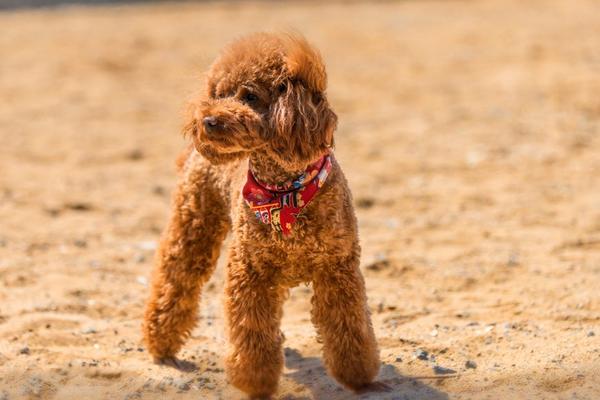
The teddy bear cut has become one of the defining looks in UK dog grooming, especially for Cockapoos, Cavapoos and other curly-coated companion dogs. Its appeal is easy to understand: the face is shaped into a soft, rounded outline, the body stays plush rather than sharply clipped, and the finished dog keeps a puppy-like expression without looking over-styled.
Search interest backs up that visibility. A 2026 Groomers Online report using UK SEMrush data recorded about 17,590 monthly searches for teddy bear cut terms, ahead of the puppy cut and lion cut on search volume among the styles it compared. The same report gave the lion cut a higher overall trend score after adding social-media activity and Google Trends momentum, so the teddy bear cut is best described as a UK search leader rather than the winner of every popularity measure.
What a teddy bear cut actually looks like
There is no single official teddy bear-cut specification. Groomers adjust the finish to the dog’s breed, coat texture, condition and the owner’s preferred length. The common thread is shape: a rounded head and muzzle, softly blended ears, neat feet and a body clipped or scissored to create an even, plush outline.
Puppy cut vs teddy bear cut: what is the difference?
The terms are sometimes used interchangeably. A puppy cut generally describes a practical, fairly even length over much of the body. A teddy bear cut puts more emphasis on the face, keeping it rounded and fluffy to create the recognisable soft-toy look.
If you simply ask for a “fluffy dog haircut”, your groomer still has several decisions to make. Agree the approximate body length, how full you want the legs, whether the ears should stay long or rounded, and how much hair should remain around the muzzle and eyes.
A useful real-world tip is to bring two photos to the appointment: one showing the face shape you like and another showing the body length. Photos are more reliable than style names because salons can interpret “teddy bear” differently.
Which dogs suit the teddy bear style best?
The look works particularly well on coats that can be clipped and shaped into a soft outline. Poodles, Bichon Frises, Shih Tzus, Maltese and many Poodle crosses can carry the style well, although the exact finish depends on coat density and texture.
Cockapoos and Cavapoos are especially associated with grooming trends in the UK because their coats often grow into the wavy or curly texture that produces the rounded finish owners expect. If the hair is tightly curled, damaged or matted close to the skin, however, a shorter trim may be kinder and easier to maintain.
Not every fluffy breed should be clipped the same way
A teddy bear look is not automatically suitable for every dog with a thick coat. Double-coated breeds have different grooming needs from continuously growing Poodle-type coats. Owners of breeds such as Pomeranians or Chow Chows should ask a knowledgeable groomer about coat-appropriate options rather than requesting a close clip purely to copy a photograph.
How much maintenance does a teddy bear cut need?
The rounded finish looks effortless when freshly groomed, but the coat care behind it is not. PDSA advises that Poodle-cross coats can be prone to knotting and tangling, especially when wet, and recommends regular brushing according to the individual coat. Long-haired dogs may need daily grooming, while many Poodle crosses need thorough brushing several times a week.
Concentrate on areas where friction creates tangles: behind the ears, under the collar or harness, the armpits, legs, chest and around the tail. Brushing only over the top can leave hidden knots close to the skin. Passing a comb gently through the coat after brushing is a simple way to check that you have reached the full depth of the hair.
Professional appointments often fall around every four to eight weeks, but there is no universal timetable. Coat growth, chosen length, lifestyle and how effectively the dog is brushed at home all matter. A longer teddy bear finish normally requires more home maintenance than a shorter practical version.
What to ask your groomer for
Rather than relying on the words “teddy bear cut” alone, describe the result you want. Tell the groomer whether practicality or maximum fluff is the priority, how often you can brush at home, and whether your dog swims, gets muddy frequently or wears a harness for long periods.
Ask for a rounded face, a natural-looking muzzle, a blended transition into the ears and head, and an even body length that suits the coat’s condition. If your dog has matting, be prepared for the groomer to recommend a shorter cut. PDSA advises owners not to tackle mats themselves at home; a reputable groomer or vet can deal with them more safely.
Why the style fits dog grooming trends in 2026
Among dog grooming styles in 2026, the teddy bear cut sits in a useful middle ground. It photographs well, gives Poodle crosses the soft outline many owners want, and can be adjusted from relatively practical to luxuriously fluffy. That flexibility matters more than copying a single viral image.
Frequently asked questions
How long should a teddy bear cut be?
There is no fixed length. The body can be kept shorter for easier maintenance or left longer for a fuller plush effect. Coat type, matting and the owner’s brushing routine should guide the decision.
Is a teddy bear cut the same as a puppy cut?
Not exactly. A puppy cut usually focuses on an even, manageable length, while a teddy bear cut places greater emphasis on a rounded, fluffy face and softer overall silhouette.
How often should a teddy bear cut be groomed?
Many dogs benefit from professional grooming roughly every four to eight weeks, but the right interval varies. Faster coat growth, longer styling and coats prone to matting may require more frequent appointments and more brushing between visits.
Can any dog have a teddy bear cut?
No. It suits many continuously growing, curly or wavy coats particularly well, but the dog’s natural coat type should come first. Double-coated breeds may need a different grooming approach, so ask an experienced groomer before requesting significant clipping.
A good teddy bear cut starts with the coat, not the trend
The teddy bear cut deserves its place among the most visible grooming trends in the UK, and 2026 search data shows strong owner interest. Its real strength is adaptability. The best result is not simply the roundest face or the fluffiest finish; it is a style that suits the individual dog’s coat, stays comfortable between appointments and matches the amount of grooming the owner can realistically maintain at home.
Choose the length with your groomer, use reference photos, keep on top of knots and prioritise coat health over a fixed aesthetic. Done well, the teddy bear cut can deliver the soft, cheerful look people love without sacrificing practicality.