

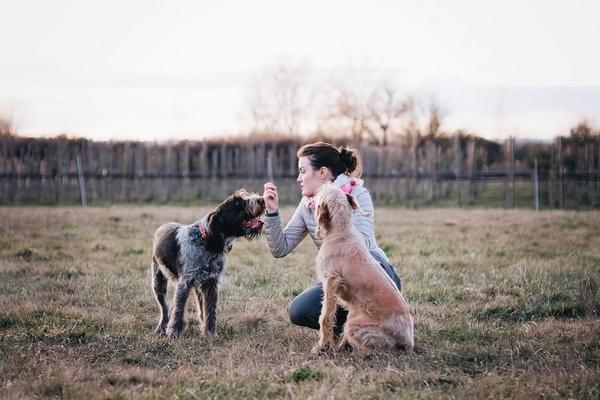
Walk into any UK dog training class in 2026 and you’ll notice something has shifted. The choke chains and stern “alpha” commands that dominated training advice for decades have largely disappeared, replaced by treat pouches, clickers, and trainers who talk more about a dog’s emotional state than their “rank” in the household. This is force-free dog training, and it’s no longer a niche approach for the ultra-gentle pet owner. It’s fast becoming the standard that behaviourists, vets, and welfare organisations actually recommend.
If you’re new to the concept, this guide breaks down what force-free training actually means, why it works, and how you can start using it with your own dog today.
What Does Force-Free Dog Training Actually Mean?
Force-free training is exactly what it sounds like: no leash corrections, no physical intimidation, no yelling, and no tools designed to cause discomfort or pain. Instead, it relies entirely on positive reinforcement dog training principles, where desired behaviours are rewarded and unwanted ones are managed or redirected rather than punished.
The philosophy rests on a simple idea. Dogs repeat behaviours that are rewarding and are less likely to repeat behaviours that aren’t. There’s no need to dominate a dog into compliance when you can simply make good behaviour more appealing than the alternative.
Why the Shift Away From Dominance-Based Methods
Older training advice was built on a flawed understanding of wolf pack behaviour, the idea that dogs are constantly vying for “alpha” status and need to be shown who’s boss. That research has since been widely discredited, even by the scientists who originally studied it. Modern animal behaviourists now understand that most unwanted behaviour stems from fear, poor communication, or unmet needs, not a dog trying to seize control of the household.
As this understanding has spread, welfare-led, personalised approaches to pet care have taken over, and dog training is no exception. Owners increasingly want methods that build trust rather than compliance through fear.
The Core Principles of Positive Reinforcement Dog Training
At its heart, reward based training works on a straightforward exchange: your dog offers a behaviour, and something good happens immediately afterwards. Over time, the dog learns to offer that behaviour more often because it’s been worth their while.
Rewards don’t have to mean food, although treats are often the easiest starting point. Praise, play, access to a favourite toy, or even the chance to sniff an interesting patch of grass can all serve as reinforcement, depending on what motivates your particular dog.
Timing Is Everything
One of the biggest mistakes beginners make isn’t choosing the wrong reward, it’s poor timing. A reward needs to land within a second or two of the behaviour you’re trying to reinforce, otherwise your dog may not connect the two. This is exactly why so many trainers turn to a marker signal.
Clicker Training Dogs: Why It Works So Well
Clicker training dogs has become almost synonymous with force-free methods, and for good reason. A clicker gives you a precise, consistent sound that marks the exact moment your dog does something right, bridging the gap between the behaviour and the reward that follows.
Here’s how it typically works in practice:
You click the instant your dog sits, then follow up with a treat within a second or two. Repeated consistently, your dog learns that the click itself predicts good things, which means you can mark a behaviour precisely even if the reward takes a moment to deliver. This precision is particularly useful for shaping more complex behaviours step by step, rather than waiting for the entire finished behaviour to appear on its own.
You don’t strictly need a physical clicker. Many trainers use a verbal marker word like “yes” instead, and it works just as effectively once your dog has learned the association.
Getting Started With Gentle Dog Training at Home
You don’t need a training academy or specialist equipment to begin. Gentle dog training can start with five-minute sessions in your living room, and short, frequent sessions tend to work better than long ones anyway, since they keep your dog engaged rather than bored or overwhelmed.
Start With High-Value Rewards
Figure out what genuinely excites your dog. For food-motivated dogs, this might mean small pieces of cooked chicken or cheese rather than standard kibble, especially in a new or distracting environment. For dogs less interested in food, a favourite toy or a burst of play can work just as well.
Set Realistic Criteria
Break big goals into small steps. If you’re teaching “stay,” don’t expect a full minute on day one. Reward a single second of stillness first, then gradually build duration and distance. Rushing this process is one of the most common reasons owners feel like force-free training “isn’t working,” when really the criteria were simply set too high too soon.
Manage the Environment
Force-free training isn’t just about rewarding good behaviour, it’s also about setting your dog up to succeed. If your dog struggles with counter-surfing, keep food out of reach while you’re teaching an alternative behaviour. Management isn’t cheating; it’s simply removing the opportunity for mistakes while new habits form.
What About Unwanted Behaviour?
A common misconception is that force-free training means ignoring problem behaviours altogether. In reality, it means addressing them differently. Instead of punishing a dog for jumping up, for example, you’d reward all four paws staying on the floor and manage the situation until the new habit is established. Instead of correcting a dog for pulling on the lead, you’d reward loose-lead walking and pause whenever tension appears.
This approach takes a little more patience than a quick correction, but it tends to produce more reliable, longer-lasting results, and crucially, it does so without damaging the trust between you and your dog.
Frequently Asked Questions
Is force-free dog training effective for stubborn or “difficult” dogs?
Yes. What often looks like stubbornness is usually a dog that hasn’t been given a clear, rewarding reason to comply, or is struggling with fear or overarousal. Positive reinforcement dog training tends to work particularly well with anxious or reactive dogs, since it builds confidence rather than suppressing behaviour through fear.
Do I have to use treats forever?
No. Treats are typically used heavily during the learning phase, then gradually faded out and replaced with intermittent rewards, praise, or real-life privileges like access to a walk or a game of fetch.
What’s the difference between clicker training and reward based training?
Reward based training is the broader philosophy of reinforcing good behaviour with something the dog values. Clicker training is one specific tool within that philosophy, used to mark the exact moment a behaviour happens with precision.
Can force-free methods fix serious behavioural problems like aggression?
Force-free techniques form the foundation of most modern behavioural rehabilitation work, but cases involving aggression or serious anxiety should always involve a qualified, force-free behaviourist rather than a DIY approach, since these situations often need a tailored plan.
Final Thoughts
Force-free dog training isn’t a passing trend, it reflects a genuine shift in how we understand canine behaviour and welfare. By focusing on trust, clear communication, and rewarding the behaviours you want to see, you’ll likely find your dog more responsive, and your relationship a lot stronger, than any dominance-based method ever achieved. Start small, stay consistent, and let the science do the rest.